SIMLA National Congress: a bridge towards the future of Italian Healthcare.
Clinical and forensic traumatology: what was said in Salsomaggiore
January 9, 2024SIC Congress 2024: many topics covered.
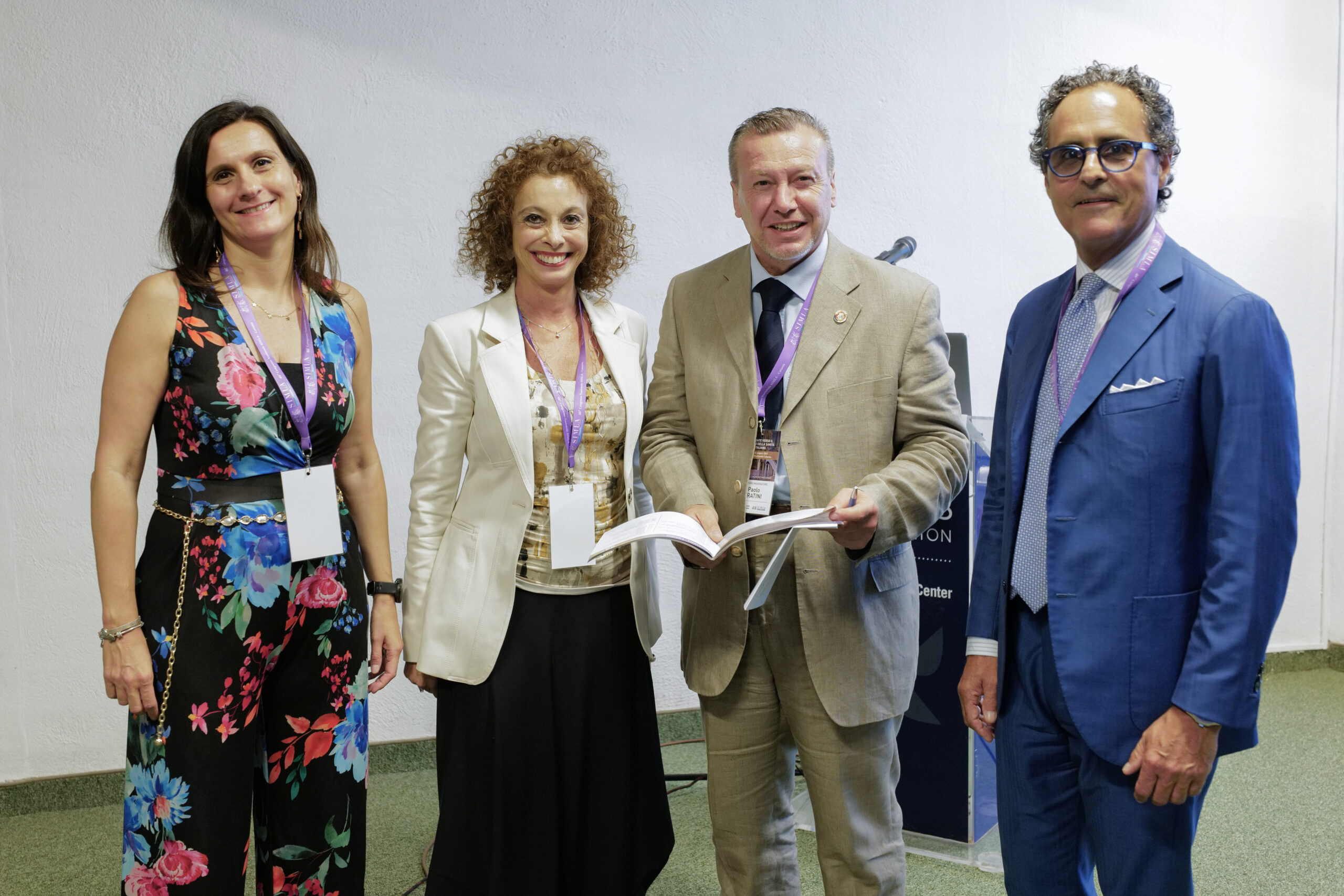
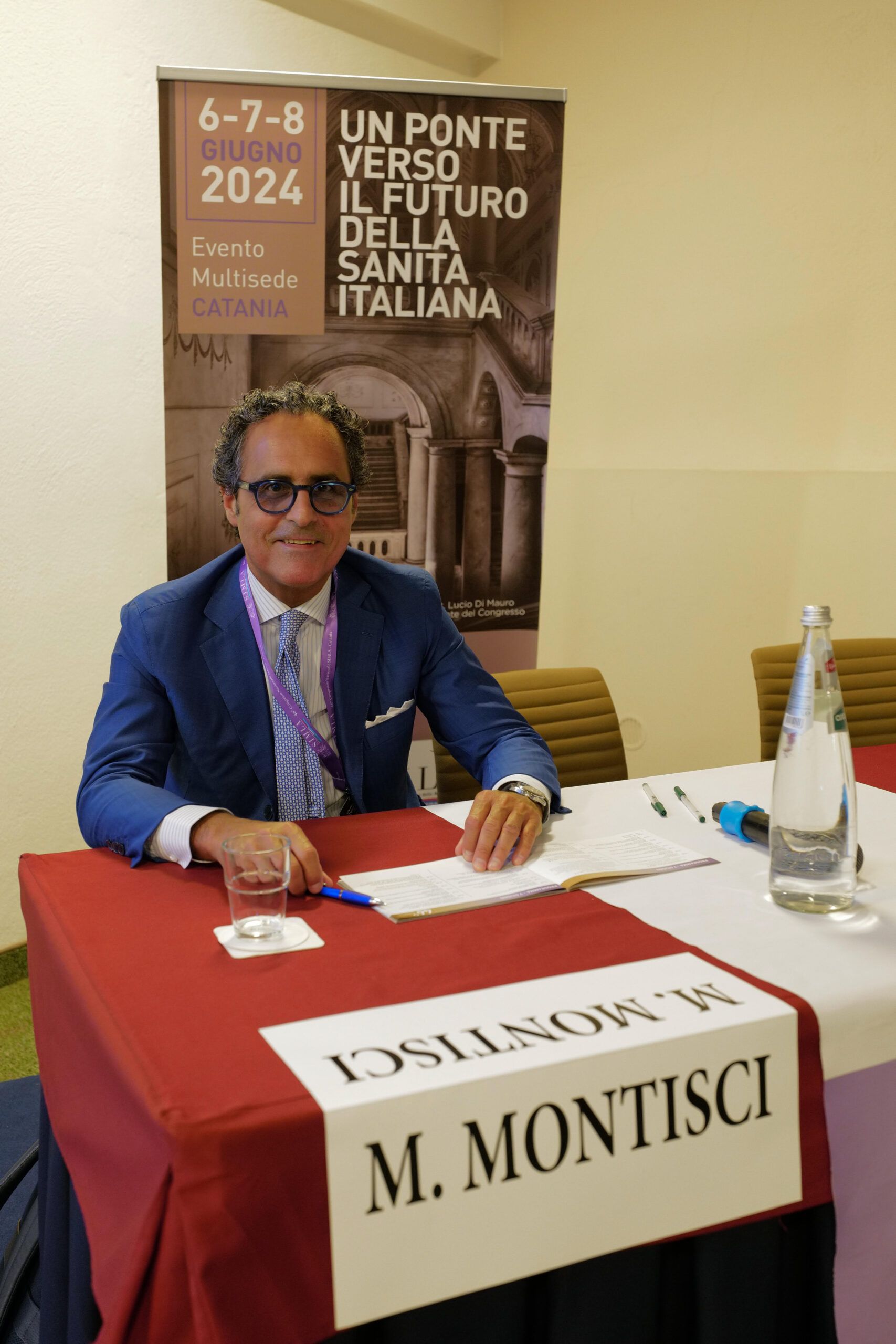
July 2, 2024The 46th National Congress of the Italian Society of Legal Medicine and Insurance (SIMLA) was held in Catania from June 6th to 8th, with the aim of outlining the future of Italian healthcare. The event, organized for the first time exclusively by SIMLA, saw the participation of a large number of professionals from the sector, including forensic doctors, general practitioners, lawyers and representatives of the institutions.
Focus on the future of healthcare
At the center of the debates were the main critical nodes of the Italian healthcare system and the possible solutions to improve its efficiency and equity. Among the most discussed topics:
- The aging of the population and the increase in chronic diseases. The need to implement more sustainable and patient-centered healthcare models was discussed, with a greater emphasis on prevention and management of chronic diseases.
- Inequalities in access to care. The causes of inequalities in access to care were analyzed, with particular attention to rural areas and the most vulnerable population groups. The commitment to guaranteeing universal and quality access to care for all citizens was discussed.
- Technological innovation. The fundamental role of technological innovation in improving the quality of care and the efficiency of the healthcare system was discussed. Examples were presented of how artificial intelligence, robotics and telemedicine can be used to improve patient care.
- Training of healthcare professionals. The importance of continuous and quality training for healthcare professionals was underlined, in order to guarantee them the skills necessary to face the challenges of the future.
In addition to the plenary sessions, the congress offered a rich program of workshops, seminars and round tables. The results of cutting-edge scientific research were presented and complex clinical cases were discussed. The 46th SIMLA National Congress ended with a message of positivity and hope for the future of Italian healthcare. Participants expressed their confidence in the system's ability to overcome current challenges and offer quality healthcare to all citizens.